
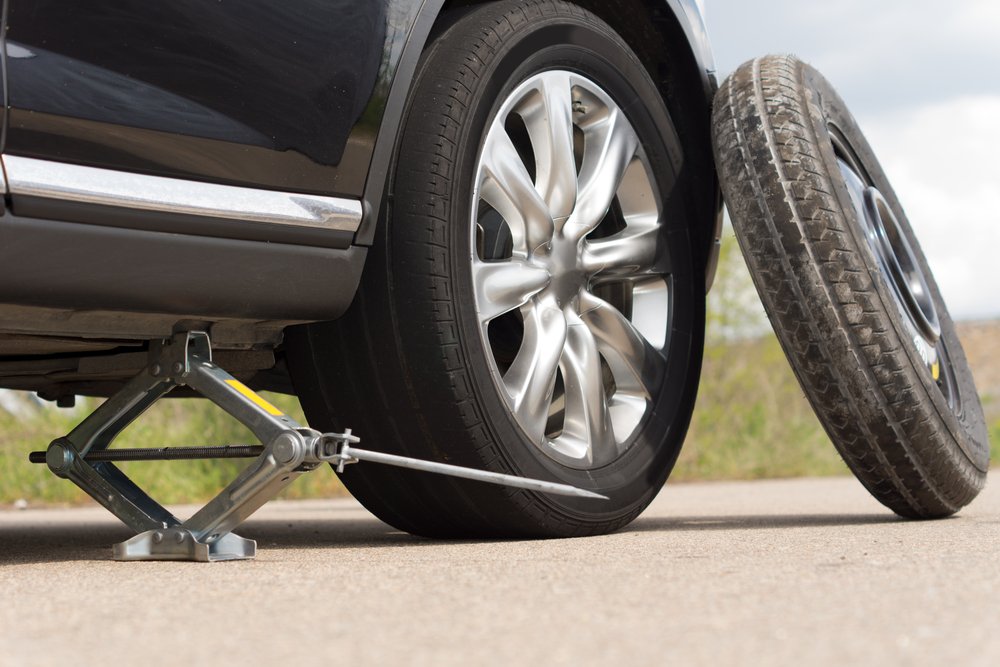
Changing a flat tire is a fundamental driving skill that every vehicle owner should master. Whether you’re dealing with a sudden puncture on the highway or a slow leak in your driveway, knowing how to change a tire safely and efficiently can save you time, money, and stress.
Why Knowing How to Change a Tire Matters
A flat tire can happen anytime due to:
- Sharp road debris
- Nail punctures
- Sidewall damage
- Worn tread
- Valve stem leaks
Instead of waiting hours for roadside assistance, understanding how to change a tire step by step gives you independence and confidence.
Tools You Need to Change a Tire

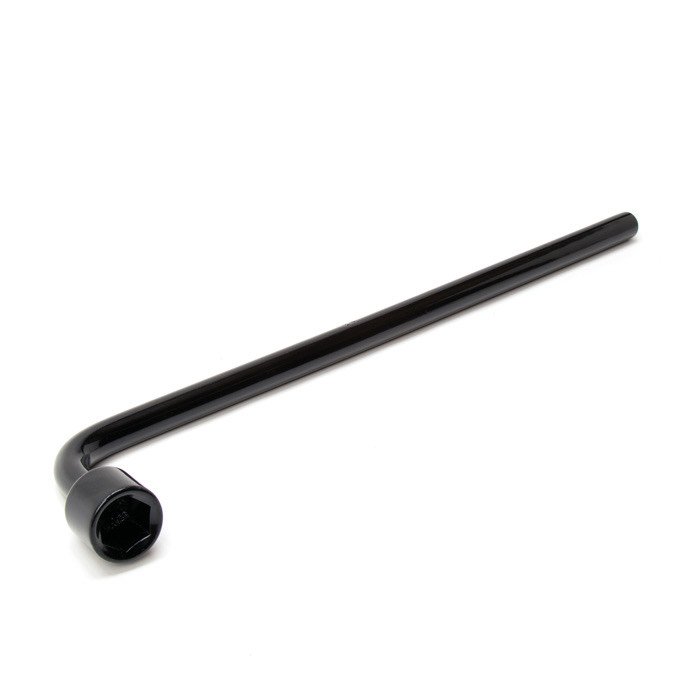
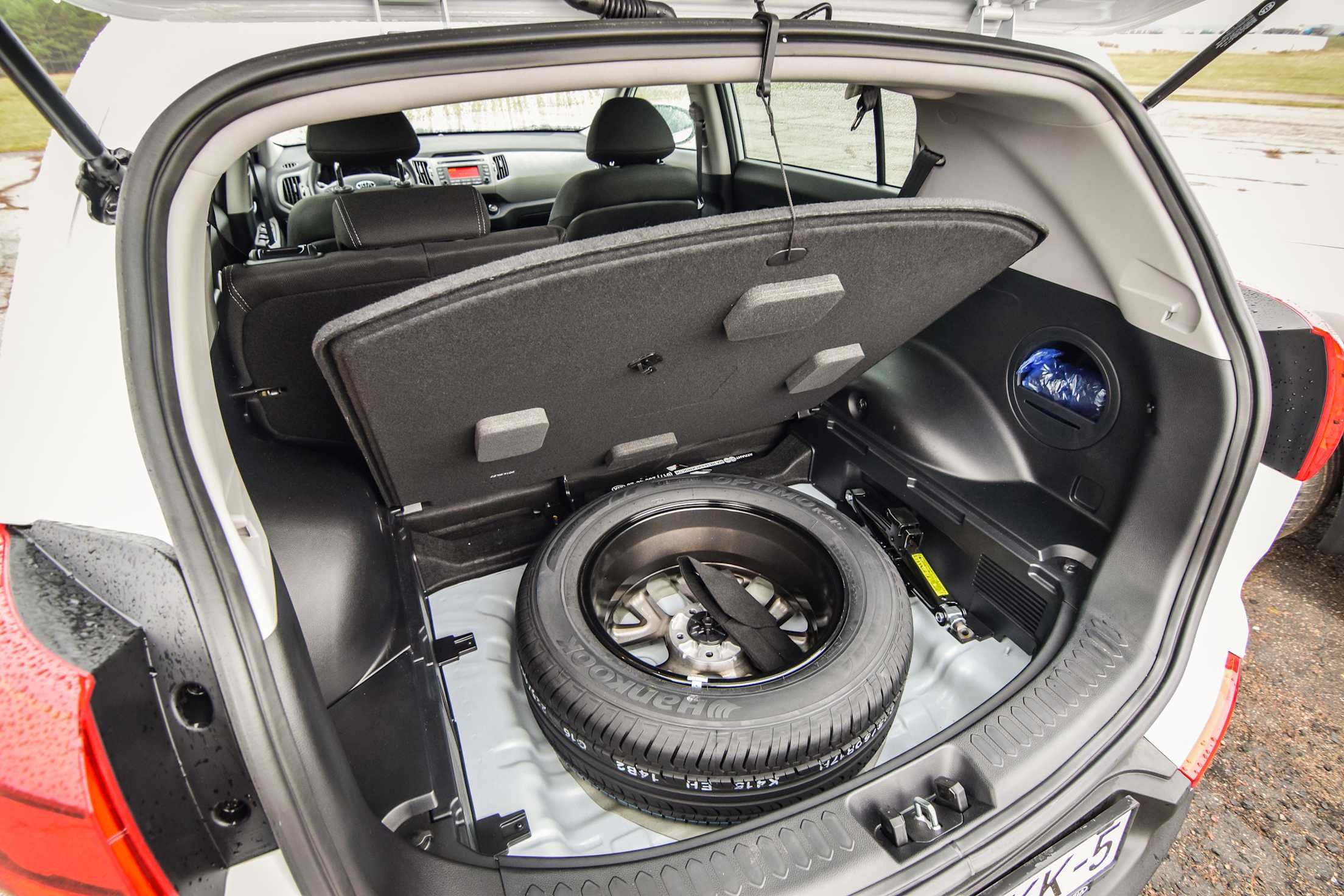

Before starting, ensure you have:
- Spare tire (properly inflated)
- Car jack
- Lug wrench
- Wheel wedges (or bricks)
- Vehicle owner’s manual
- Flashlight (if at night)
- Gloves (optional but recommended)
Pro Tip: Regularly check your spare tire’s pressure. Many drivers forget this critical step.
Step-by-Step Instructions: How to Change a Tire
1. Pull Over Safely
- Move to a flat, stable surface.
- Turn on hazard lights.
- Engage the parking brake.
- Place wheel wedges behind the tires.
Safety is always the first priority.
2. Loosen the Lug Nuts
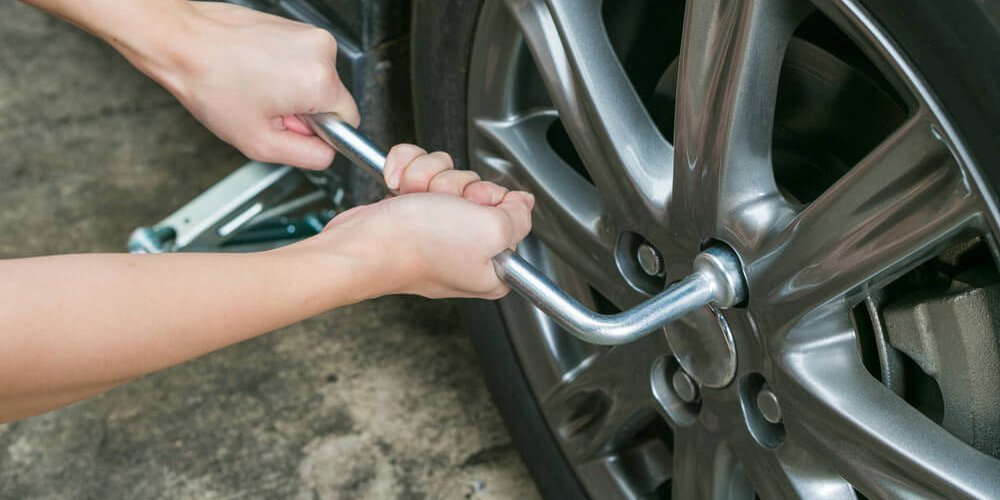

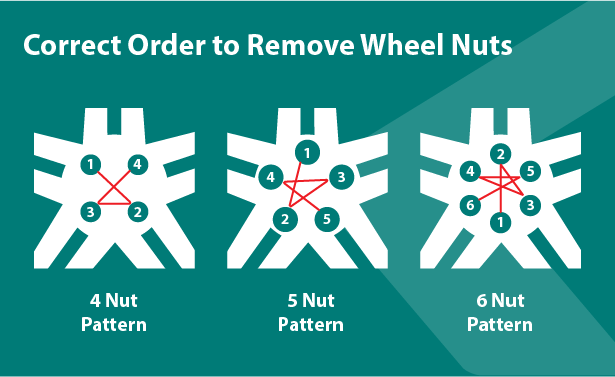
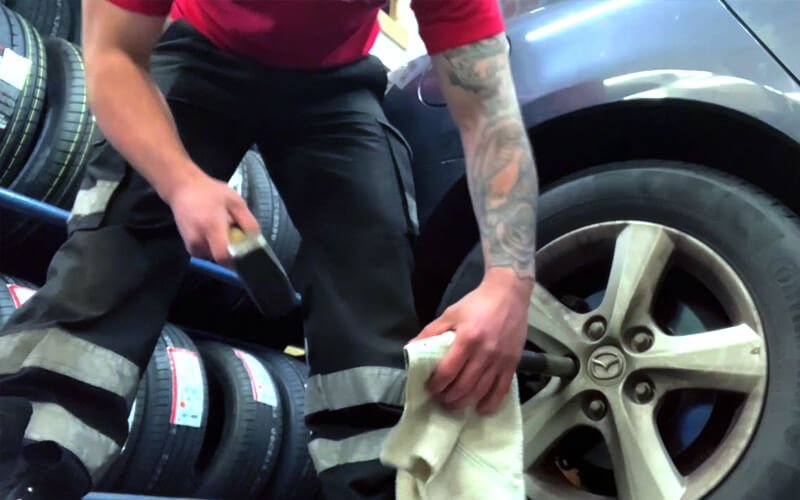
- Use the lug wrench.
- Turn counterclockwise.
- Loosen slightly (do not remove completely yet).
It may require force—use your body weight if necessary.
3. Position and Raise the Jack
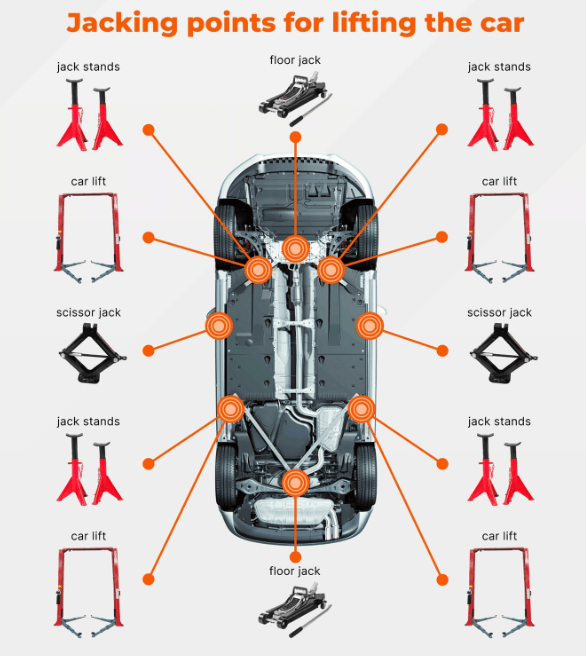
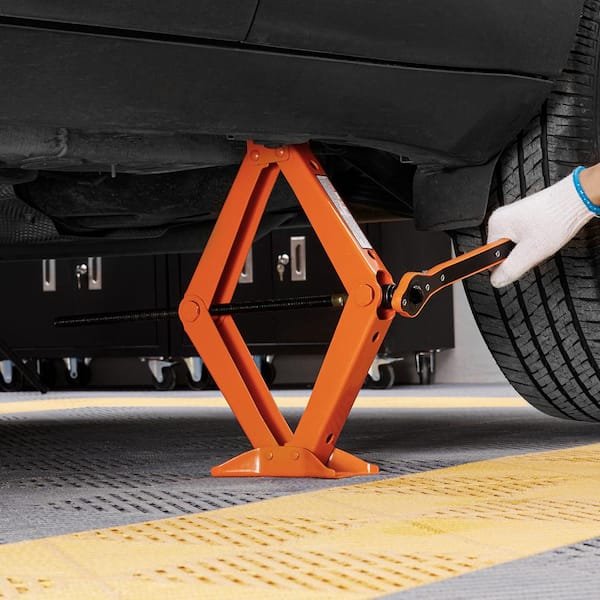
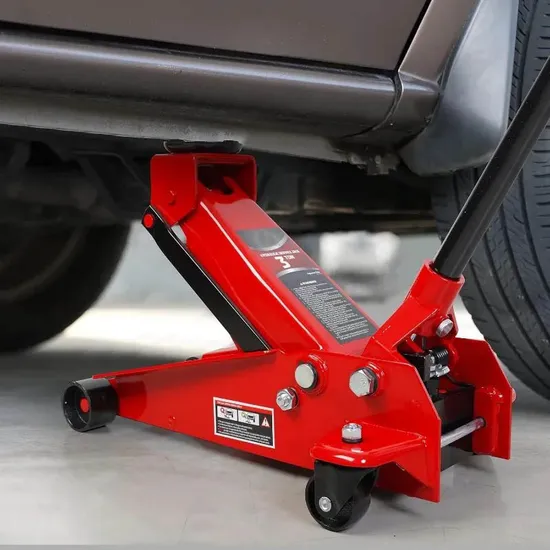
- Locate the correct jack point (see manual).
- Raise the vehicle until the tire is 2–3 inches off the ground.
Never place any part of your body under the vehicle.
4. Remove the Flat Tire
- Fully unscrew the lug nuts.
- Pull the tire straight toward you.
- Place it flat on the ground (to prevent rolling).
5. Mount the Spare Tire
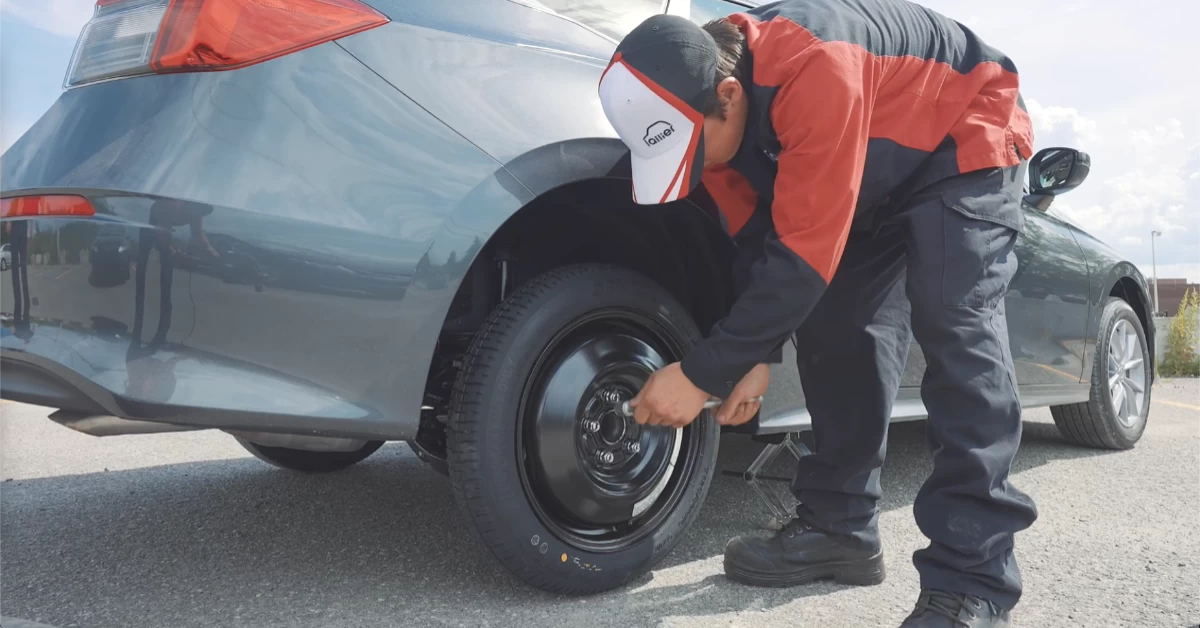
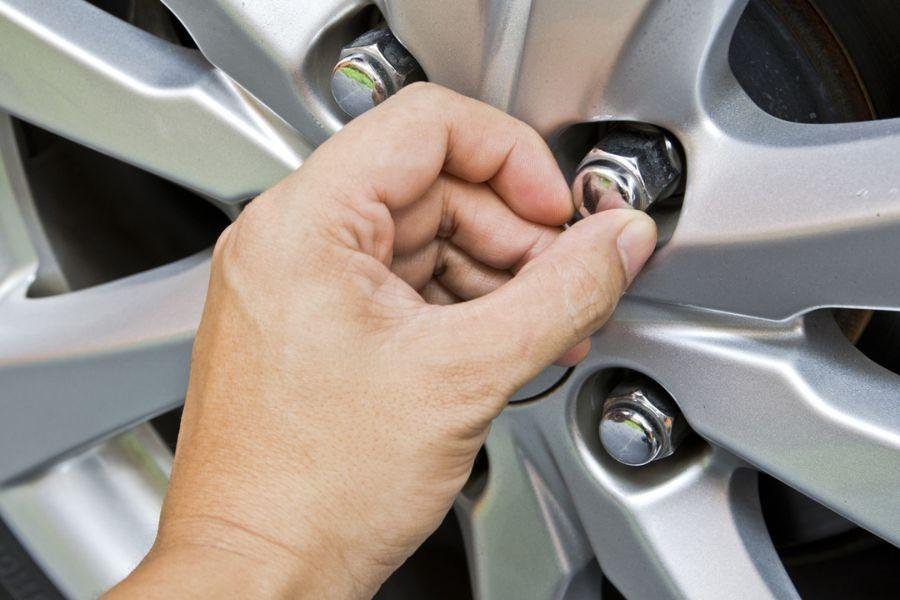
- Align the spare with wheel bolts.
- Push firmly into place.
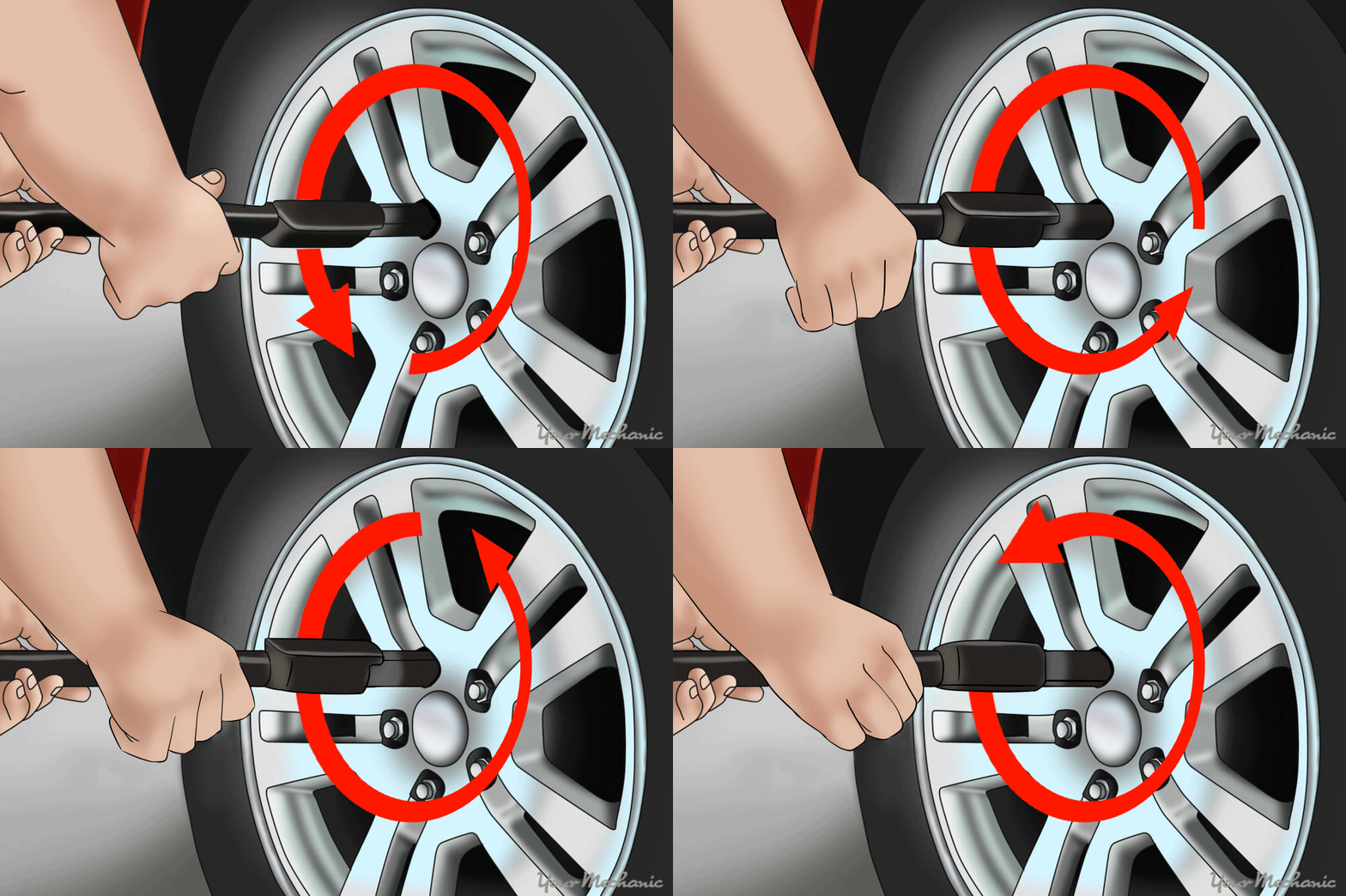
- Hand-tighten lug nuts in a star pattern.
6. Lower the Vehicle and Tighten Lug Nuts
- Lower the car completely.
- Tighten lug nuts firmly using a star pattern.
- Ensure even pressure.
Improper tightening can lead to wheel imbalance or detachment.
Important Safety Considerations
- Never change a tire on a slope.
- Avoid doing it on busy highways if possible.
- Replace temporary spare tires within 50–70 miles.
- Visit a professional mechanic soon after installation.
Common Mistakes to Avoid
- Forgetting to loosen lug nuts before lifting.
- Placing the jack in the wrong location.
- Not tightening nuts in a star pattern.
- Ignoring torque specifications.
- Driving too fast on a temporary spare.
When to Call for Help
You should call roadside assistance if:
- The vehicle is in unsafe traffic conditions.
- You lack proper tools.
- Lug nuts are stripped or overtightened.
- The spare tire is damaged or missing.
Frequently Asked Questions (FAQ)
How long does it take to change a tire?
Typically 15–30 minutes with proper tools.
Can I drive long distances on a spare tire?
No. Temporary spares are designed for short distances only.
What if my lug nuts are too tight?
Use controlled body weight or call professional assistance if necessary.
Final Thoughts: Mastering How to Change a Tire
Learning how to change a tire is an essential life skill that enhances safety and self-reliance. With the right tools and a calm, systematic approach, most drivers can handle this task confidently.
Practice during safe conditions at home before an emergency arises. Preparation makes all the difference.
By following this detailed guide, you are now equipped with the knowledge to handle a flat tire responsibly and efficiently.
Drive safely and stay prepared.