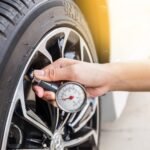
Proper tire inflation is one of the most overlooked aspects of vehicle maintenance. Yet knowing how to check tire pressure correctly can improve fuel efficiency, extend tire lifespan, enhance driving safety, and prevent costly repairs.
In this comprehensive guide, you will learn how to check tire pressure step by step, what tools you need, when to measure it, and how to maintain optimal tire performance following best practices aligned with EEAT (Experience, Expertise, Authoritativeness, and Trustworthiness).
Why Checking Tire Pressure Is Important
Driving with incorrect tire pressure can lead to:
- Reduced fuel efficiency
- Uneven tire wear
- Poor handling and braking performance
- Increased risk of tire blowouts
- Shortened tire lifespan
According to vehicle safety experts, even a small pressure drop can significantly impact road performance. Regular checks ensure optimal safety and performance.
Tools You Need to Check Tire Pressure
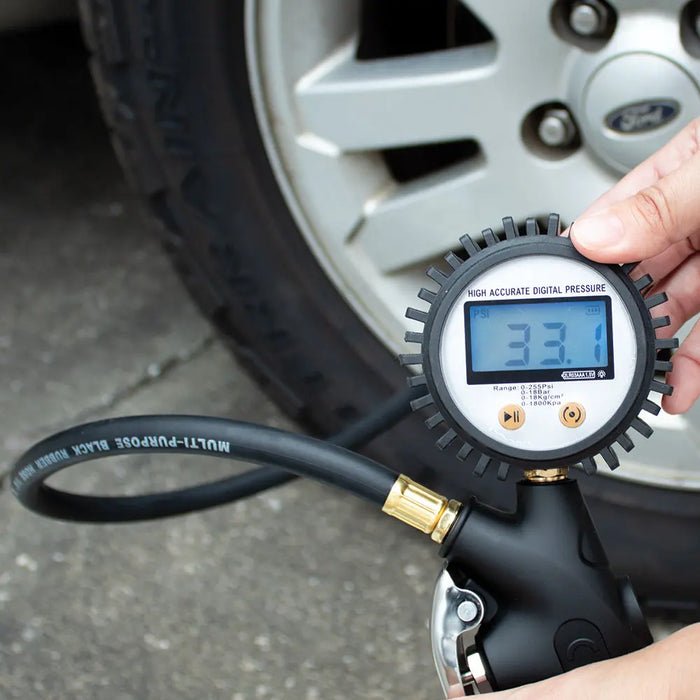
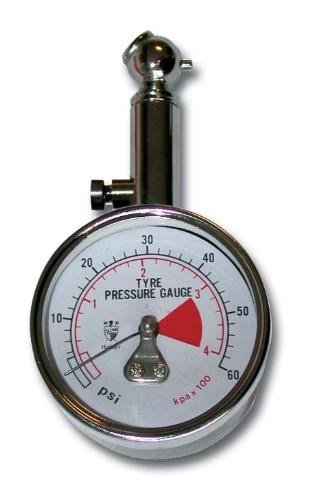
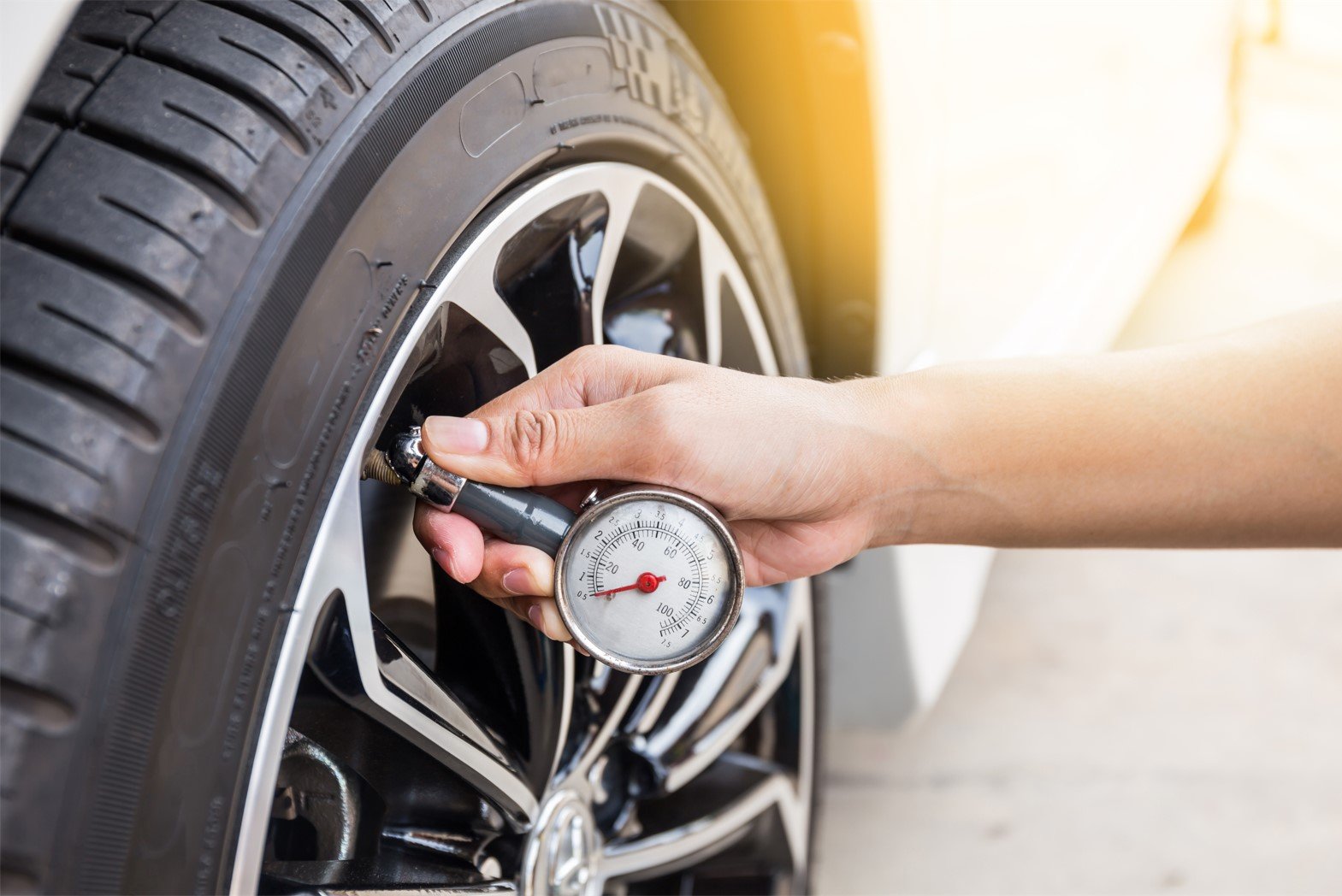

To properly check tire pressure, you will need:
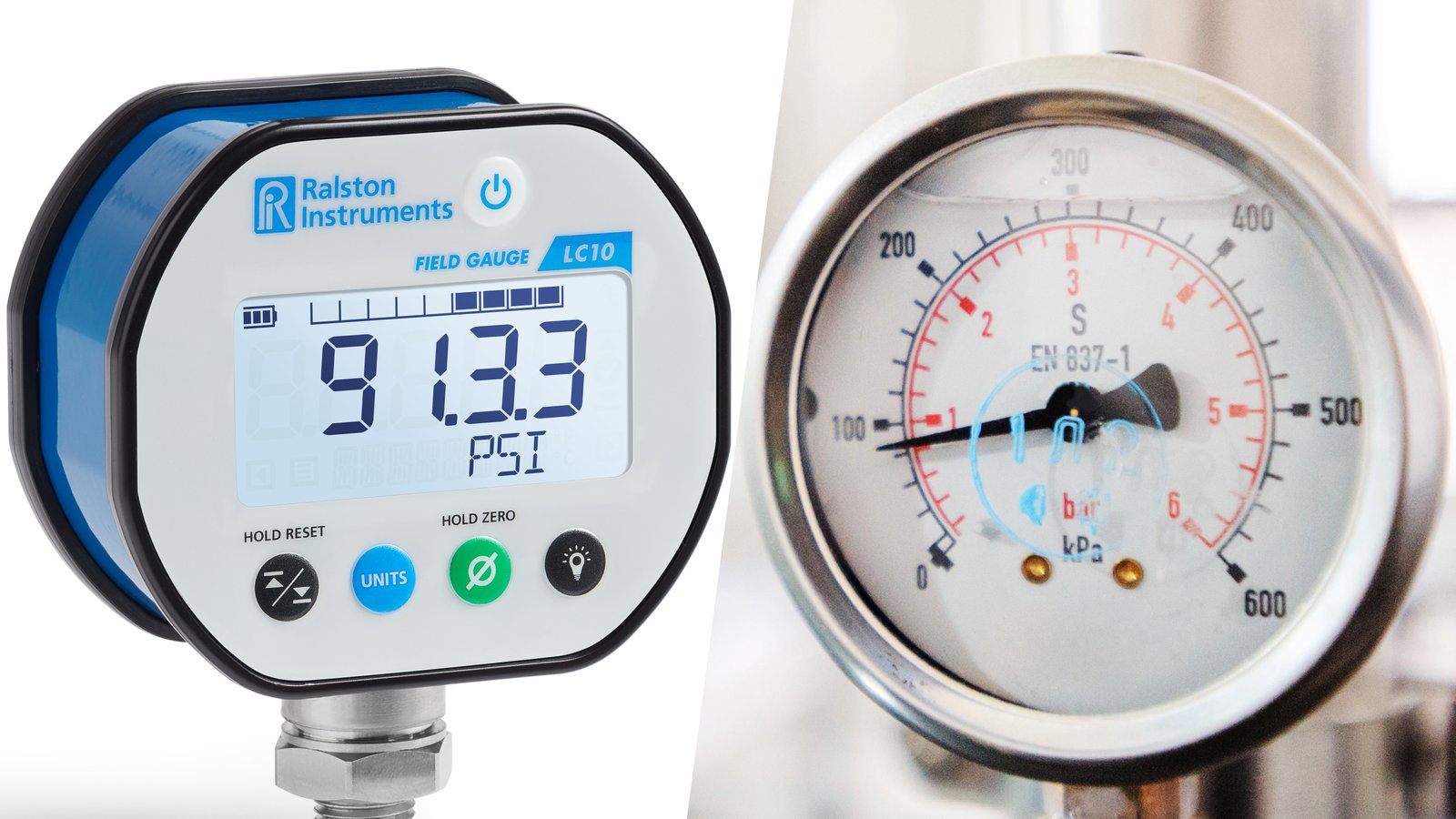
- A tire pressure gauge (digital or analog)
- Access to an air compressor (if adjustment is needed)
- Your vehicle owner’s manual or driver-side door sticker (for recommended PSI)
Digital gauges typically provide more precise readings and are easier to use.
Step-by-Step: How to Check Tire Pressure
1. Check Tires When They Are Cold
For accurate results, measure tire pressure when:
- The vehicle has been parked for at least 3 hours
- Or driven less than one mile at low speed
Heat from driving increases internal air pressure and can give a false reading.
2. Find the Recommended PSI

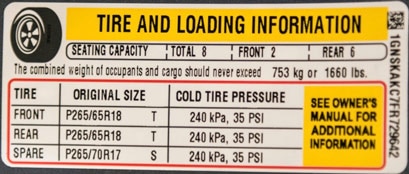
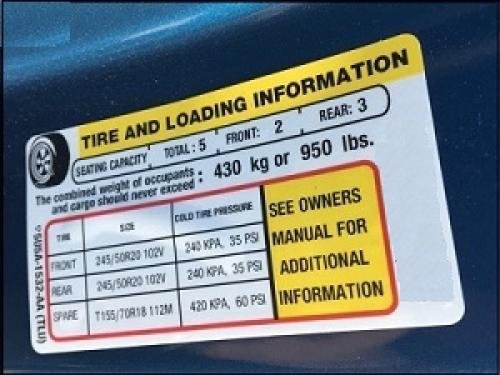
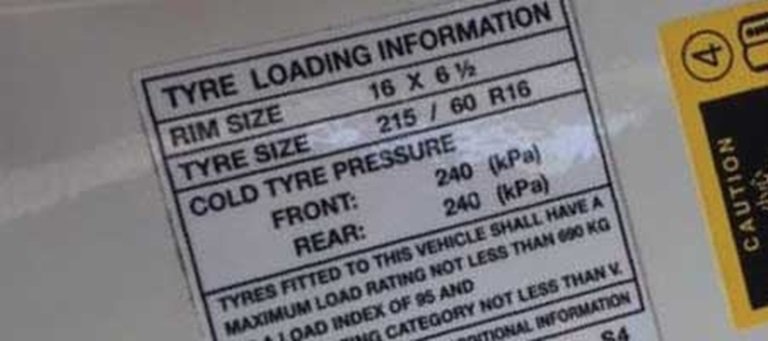
Do not rely on the number printed on the tire sidewall. That number indicates maximum pressure.
Instead, check:
- Driver-side door jamb sticker
- Owner’s manual
Recommended PSI usually ranges between 30–35 PSI for most passenger vehicles.
3. Remove the Valve Cap
- Unscrew the small cap on the tire valve stem
- Keep it in a safe place
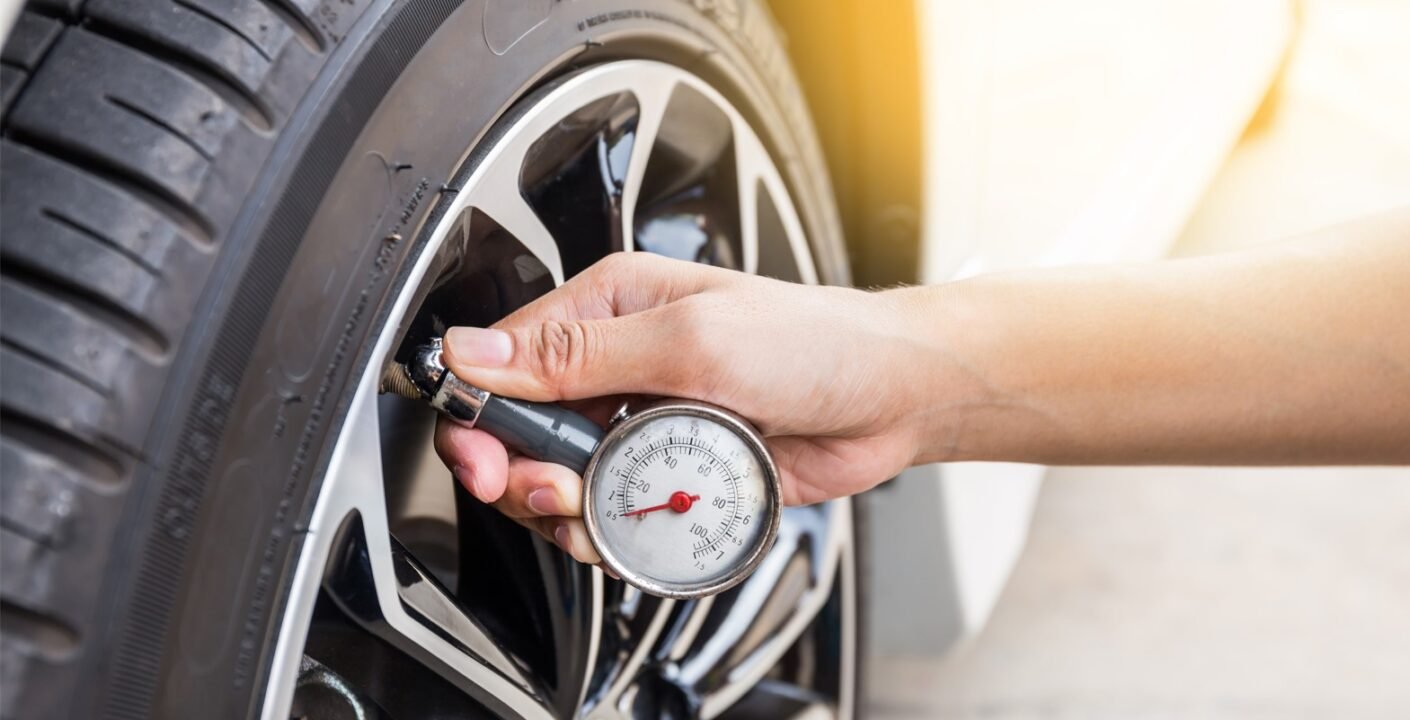
4. Attach the Tire Pressure Gauge
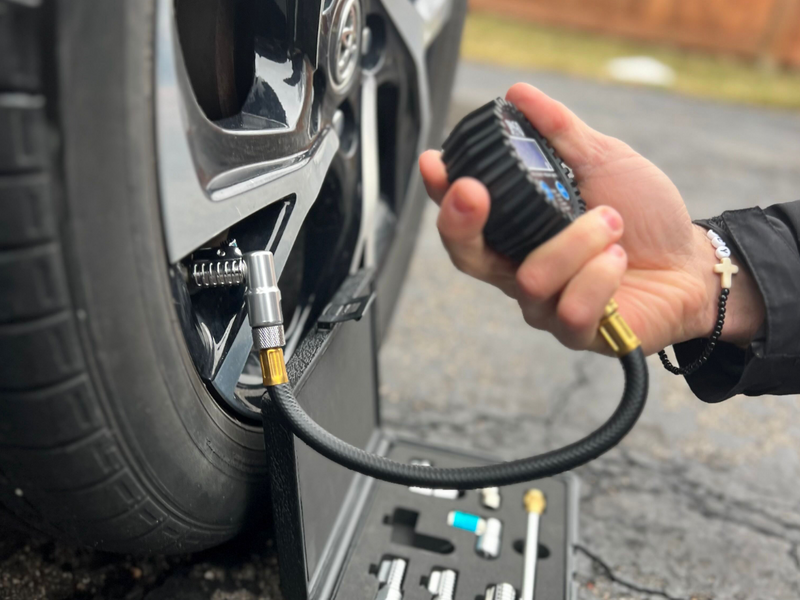
- Press the gauge firmly onto the valve stem
- Ensure no air escapes
- Read the PSI displayed
If you hear hissing, reposition the gauge for a tighter seal.
5. Compare and Adjust
If pressure is:
- Too low → Add air gradually and recheck
- Too high → Release air by pressing the valve pin
Recheck until you reach the recommended PSI.
6. Replace the Valve Cap
Secure the cap tightly to prevent dirt or moisture from entering the valve.
Repeat the process for all four tires—and don’t forget the spare tire.
How Often Should You Check Tire Pressure?
Experts recommend checking tire pressure:
- At least once per month
- Before long road trips
- During seasonal temperature changes
Cold weather can reduce tire pressure by about 1 PSI for every 10°F drop in temperature.
Common Mistakes to Avoid
- Checking pressure immediately after driving
- Using the maximum PSI printed on the tire
- Ignoring the spare tire
- Failing to recheck after adding air
- Not replacing valve caps
Consistency is key to maintaining optimal performance.
Signs Your Tire Pressure May Be Incorrect
- TPMS (Tire Pressure Monitoring System) warning light
- Vehicle pulling to one side
- Uneven tread wear
- Reduced fuel efficiency
- Steering feels unstable
If you notice these symptoms, check your tire pressure immediately.
Frequently Asked Questions
What is the ideal tire pressure?
The correct tire pressure depends on your vehicle. Always follow the manufacturer’s recommended PSI found on the driver-side door label.
Can I check tire pressure without a gauge?
Modern vehicles may display pressure via TPMS, but a manual gauge is more accurate.
Is it safe to slightly overinflate tires?
No. Overinflation reduces traction and increases uneven wear.
Final Thoughts: Mastering How to Check Tire Pressure
Understanding how to check tire pressure is a simple yet powerful maintenance skill that enhances safety, fuel economy, and tire longevity.
By checking your tires monthly and maintaining manufacturer-recommended PSI levels, you reduce the risk of accidents and extend the life of your tires.
Make tire pressure checks part of your routine vehicle maintenance schedule. A few minutes each month can prevent serious issues on the road.
Stay safe. Drive smart.